Optimized feeding

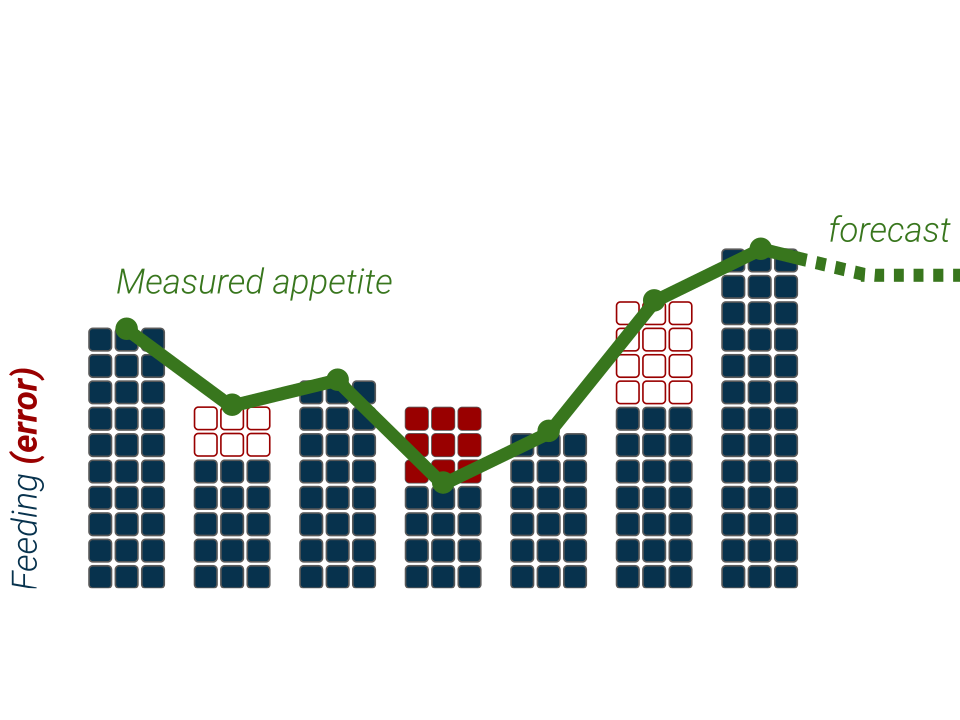
Forecast appetite
benchmark feeding

Biological models and environment profiles makes it possible to predict appetite, feeding can then be benchmarked. How good are you? With appetite based feeding targets you can be even better.

Increase growth faster.


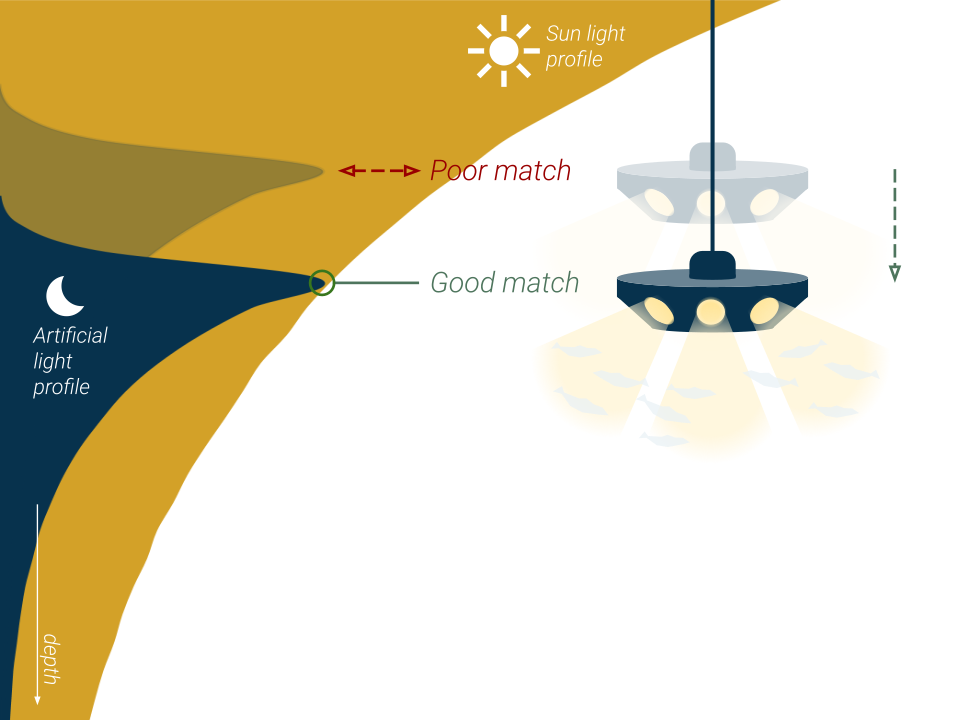
Lights - reduced maturity

Position lights
reduce maturation

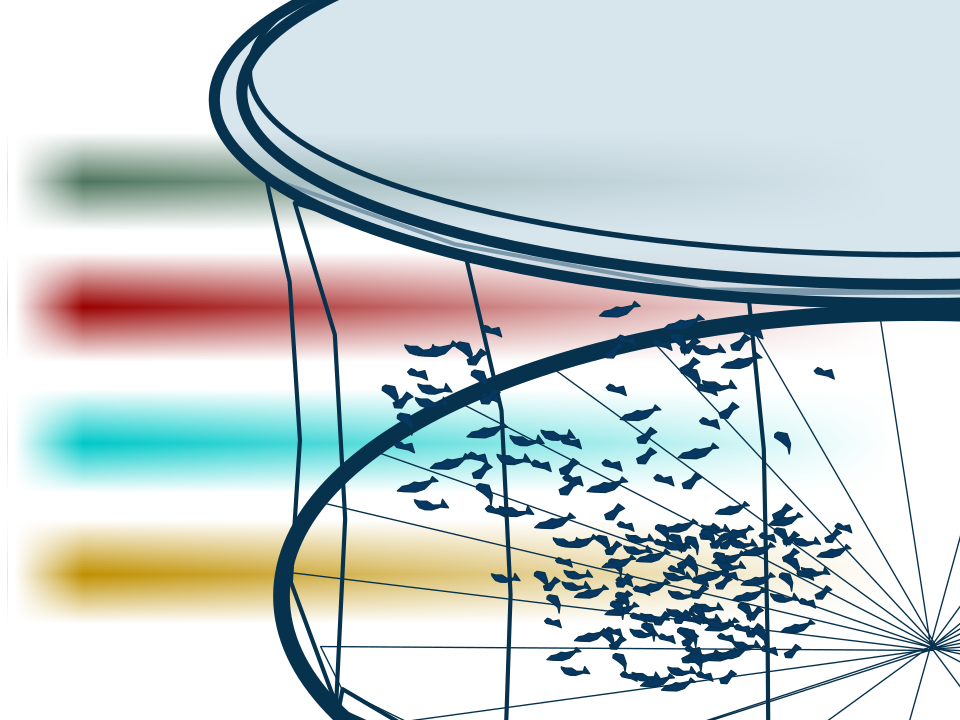
Artificial lights simulating daylight in the cage stop maturation and increase harvest quality - if they are placed correctly! The best position depends on season, power and even cloud cover.

Better quality.

Closed cage

Submersible
and closed cages

Analysis of conditions profiles over time shows where closed or submersible cages improve production and where they do not. 

Closed cages that work.

Turbidity profile - algae

Algea
early warning

Color spectrum analysis of particles in the water column gives an early warning of algae blooms as well as other pollutants in the cage, site evaluation can tell you the source of the pollution.

Understand and protect.

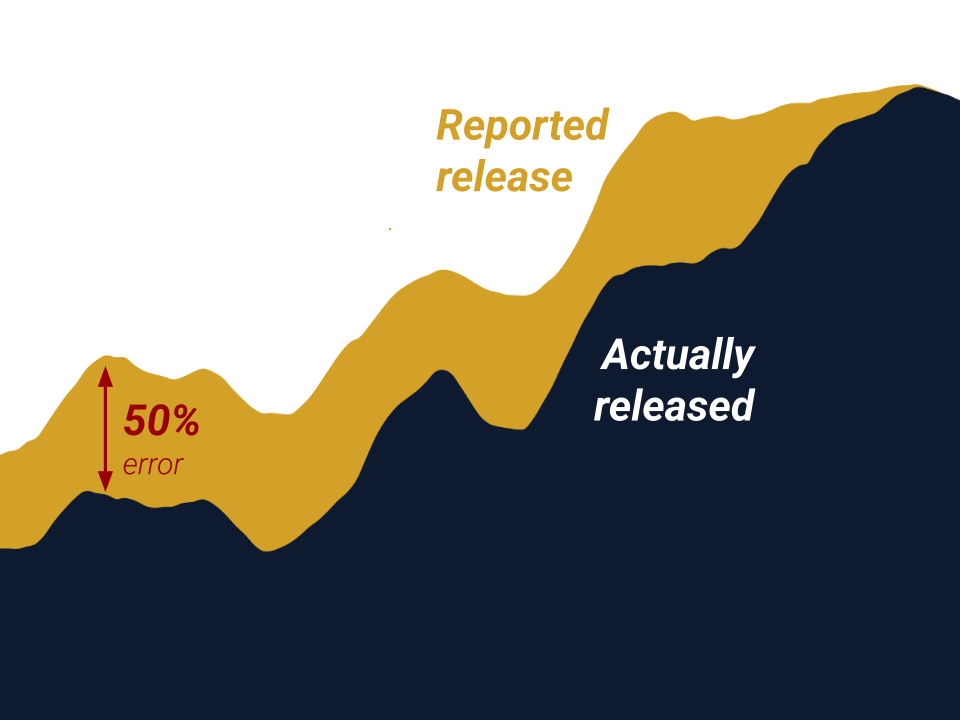
Sea lice larvae report 50% error

Sea lice larvae 
 reporting

Sea lice larvae models use reported temperature. Accurate data means accurate modeling and reporting the actual release.

Report real numbers.

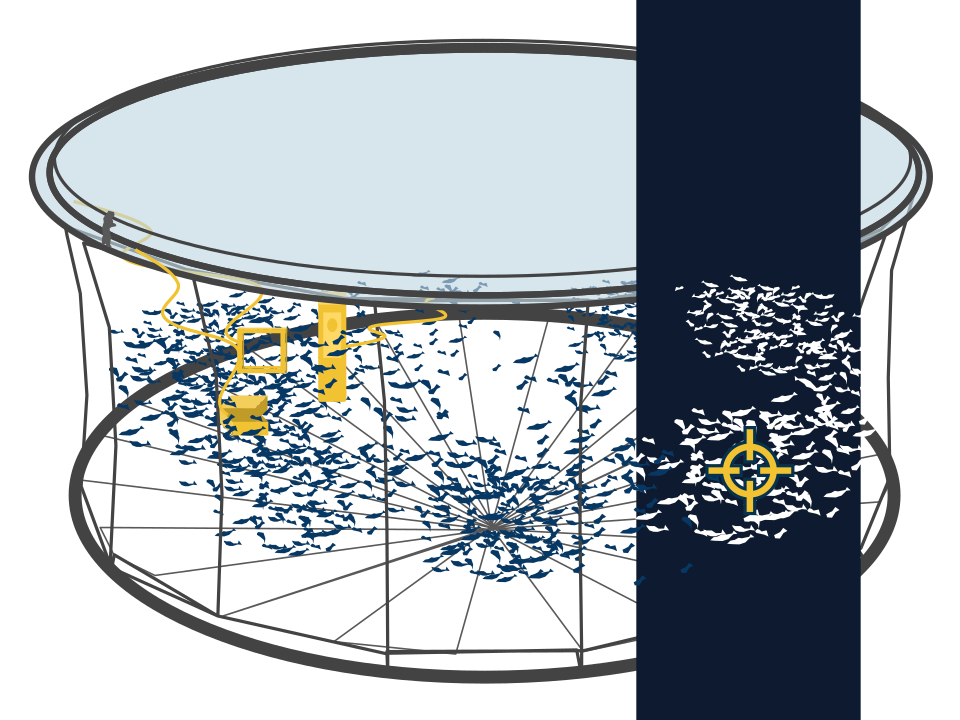
Equipment placement in the cage

Place cameras
maximize utility

• Feeding cameras
• Lice counters
• Biomass cameras and frames
• Lice LASERs  

Equipment that works.

Upwelling errors

Upwelling
good or bad?

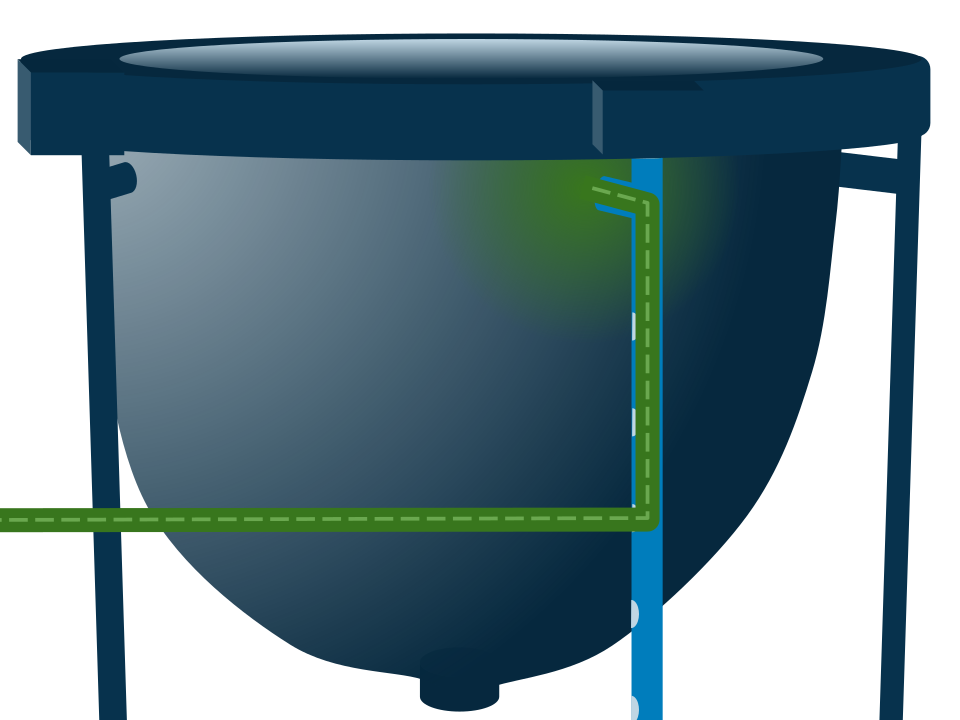
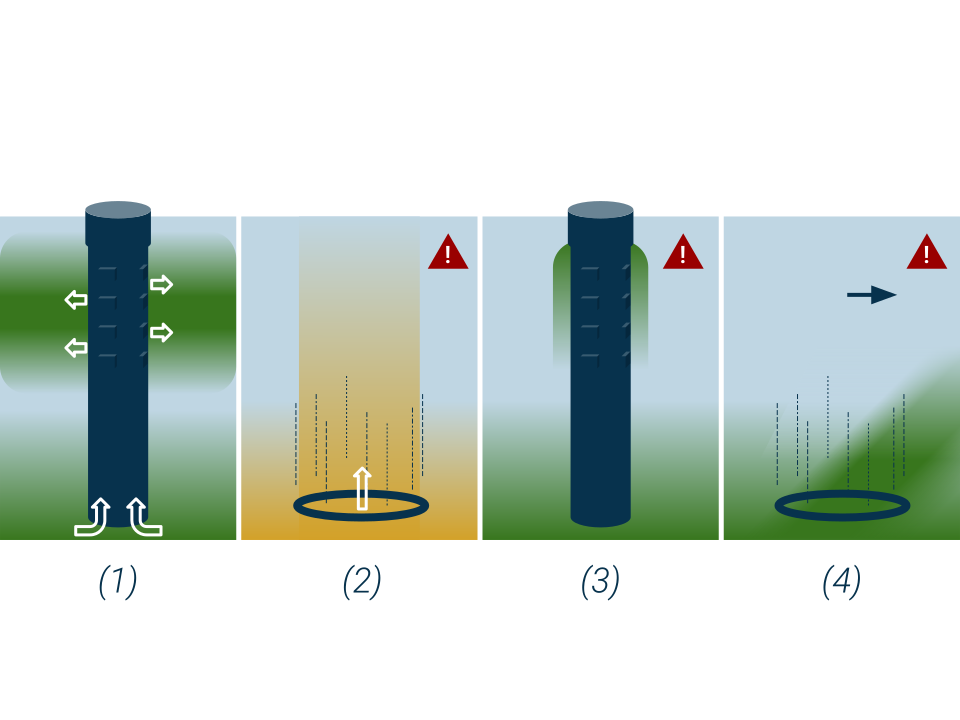
Environment profiles lets you use upwelling on the sites where it is effective (1), helps avoiding upwelling poor growth conditions into the cage (2) and saves power, by stopping upwelling when the effect is negated by high water density gradient (3) or strong currents (4)

Upwelling that helps.

Get in touch

Data opens a vista of insights and possibilities. Do you have ideas?
We love to talk about how data increases production.

HTML Maker